When you think about vitamin D, you might immediately think about sunshine, strong bones, or calcium. But vitamin D does more than support your bones.
This important nutrient plays a role in many processes throughout the body, and researchers are increasingly interested in how vitamin D may relate to brain health, mood, memory, cognition, and the nervous system.
So, what does vitamin D actually have to do with your brain?
And could maintaining healthy vitamin D levels be another piece of taking care of your brain?
Let’s take a closer look.
What Exactly Is Vitamin D?
Vitamin D is a fat-soluble vitamin that your body needs for several important functions.
Your body can make vitamin D when your skin is exposed to sunlight. You can also get it from certain foods and supplements.
Most people know vitamin D for its role in helping the body absorb calcium and maintain healthy bones. But vitamin D is involved in much more than that.
Researchers have found vitamin D receptors in the brain, which has led scientists to investigate how vitamin D may interact with processes involved in brain function and the nervous system.
Some of the areas researchers are exploring include:
- Brain development
- Communication between brain cells
- Neurotransmitter activity
- Immune and inflammatory processes
- Mood
- Memory and cognition
- Nervous system function
That doesn’t mean that taking more vitamin D will automatically make your brain work better.
Instead, it tells us that vitamin D is one of many nutrients involved in the body’s overall functioning, including processes connected to the brain.
Why Does Vitamin D Matter for the Brain?
Your brain doesn’t work independently from the rest of your body. Think about everything your brain needs to function throughout the day. It needs oxygen, nutrients, energy, sleep, and a healthy environment. It also constantly communicates with the rest of your body.
Vitamin D may be involved in some of the biological processes that support this communication.
Researchers have been studying vitamin D’s potential involvement in neurotransmission, inflammation, oxidative stress, and brain development. This is one reason vitamin D has become an interesting area of brain health research.
It also highlights an important point: Taking care of your brain means taking care of your whole body.
Vitamin D and Your Mood
Have you ever noticed that your mood can change when your routine, sleep, or overall health changes?
Researchers have been interested in whether vitamin D may also play a role in mood.
Some studies have found an association between lower vitamin D levels and depression. However, the relationship is complicated.
For example, someone experiencing depression may spend less time outside, exercise less, or experience changes in eating and sleeping habits. These factors could also affect vitamin D levels. So while researchers have found connections between vitamin D and mood, that doesn’t necessarily mean that low vitamin D causes depression.
Clinical research on whether vitamin D supplements improve depression has also produced mixed results.
The important takeaway is: Vitamin D may be one piece of the puzzle, but it isn’t a cure for depression or other mental health conditions.
What About Memory and Focus?
Your brain is responsible for much more than mood.
Every day, you’re using your brain to remember information, concentrate, make decisions, solve problems, and learn new things.
Researchers have also explored whether vitamin D levels are connected to memory and cognitive function. Some observational studies have found that people with lower vitamin D levels may also have poorer cognitive performance, particularly among older adults.
But again, correlation doesn’t necessarily mean causation.
Other factors such as age, physical activity, sleep, nutrition, and overall health can influence both vitamin D levels and cognitive function.
Researchers are continuing to study whether vitamin D itself directly affects cognitive performance or whether low vitamin D can sometimes be a sign of other health factors.
Vitamin D and Brain Development
Vitamin D has also received attention for its role in brain development.
The brain undergoes enormous changes during pregnancy, childhood, and adolescence. During these periods, getting adequate nutrition is especially important.
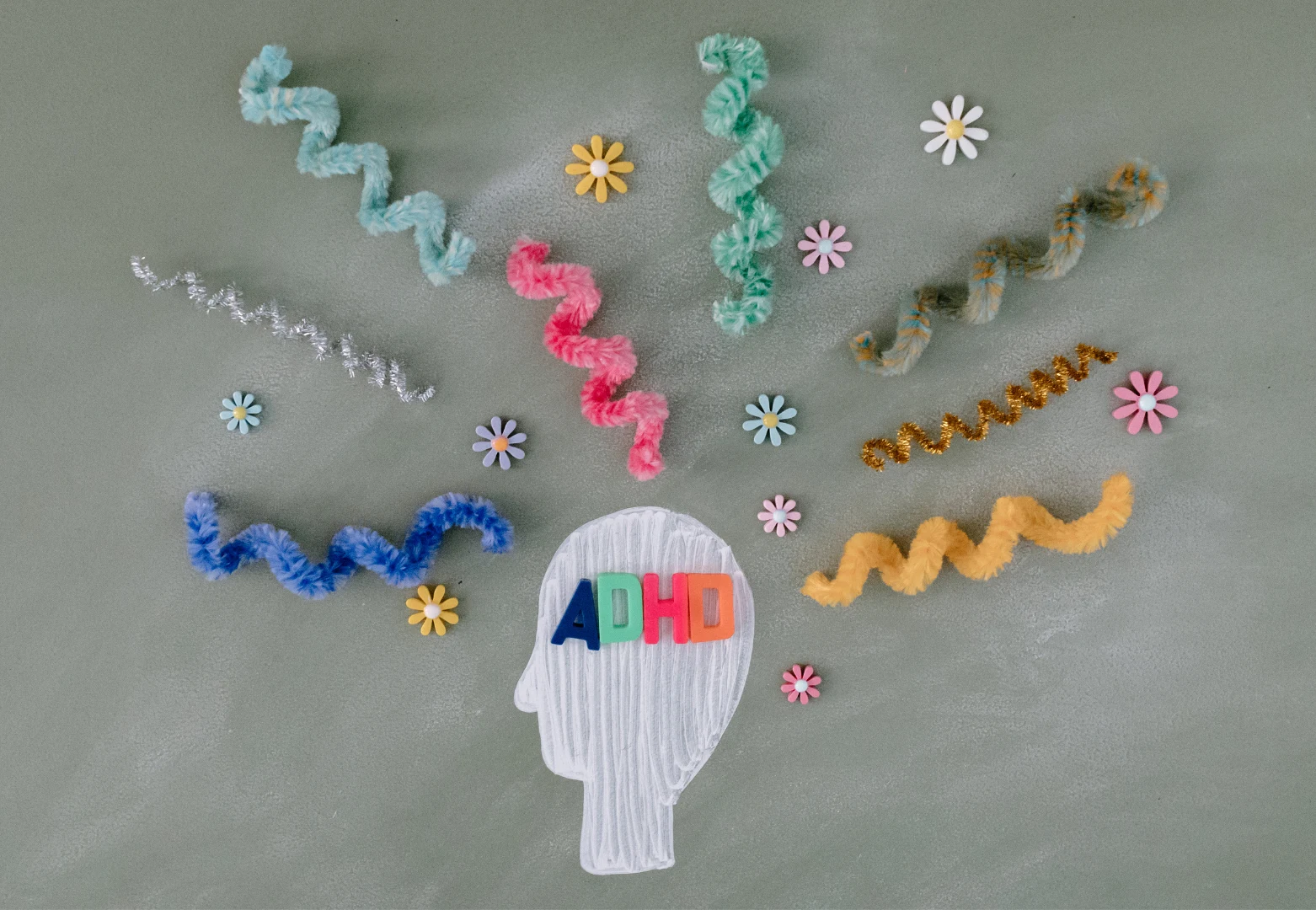
Researchers have investigated whether vitamin D levels during pregnancy and childhood are associated with neurodevelopmental outcomes. Some studies have explored connections between vitamin D and conditions such as ADHD and autism spectrum disorder.
But it’s important not to jump to conclusions.
There is not enough evidence to say that vitamin D deficiency causes ADHD or autism. Likewise, vitamin D supplementation should not be viewed as a replacement for appropriate evaluation or treatment.
Instead, vitamin D is one nutritional factor that may be worth considering as part of a child’s overall health.
If you’re interested in learning more about ADHD and Healthy Within’s approach to brain health, you can explore our ADHD & ADD resources.
How Can You Tell If Your Vitamin D Is Low?
This is where things can get tricky. You can’t always tell whether your vitamin D levels are low simply by how you feel.
Some people with vitamin D deficiency may experience fatigue, muscle weakness, or bone and muscle discomfort. But these symptoms can have many different causes.
The most common way to evaluate vitamin D status is through a blood test measuring 25-hydroxyvitamin D, or 25(OH)D. If you’re wondering whether you might need to have your vitamin D levels checked, talk with your healthcare provider. They can determine whether testing makes sense based on your individual health and circumstances.
How Can You Get Vitamin D Naturally?
There are three main ways people get vitamin D: sunlight, food, and supplements.
Sunlight
Your body can produce vitamin D when your skin is exposed to sunlight. However, vitamin D production varies from person to person. Things like the season, where you live, the time of day, skin pigmentation, age, clothing, and sunscreen use can all affect how much vitamin D your body produces. And while sunlight can help your body produce vitamin D, protecting your skin from excessive UV exposure remains important.
Food
Vitamin D occurs naturally in a relatively small number of foods.
Some sources include:
- Fatty fish such as salmon, tuna, and trout
- Egg yolks
- Beef liver
- Certain mushrooms
- Fortified milk
- Fortified plant-based milk alternatives
- Fortified cereals
Supplements
Vitamin D supplements are another option when appropriate.
But here’s something important to remember: More isn’t always better.
Because vitamin D is fat-soluble, your body can store it. Taking excessive amounts can cause vitamin D levels to become too high and may lead to health problems.
That’s why supplementation should be based on individual needs rather than the idea that taking a larger amount will automatically provide greater brain benefits.
Can You Take Too Much Vitamin D?
Yes.
Vitamin D is important, but that doesn’t mean you should take as much as possible.
Very high levels of vitamin D can cause calcium levels in the blood to become too high, which can lead to problems such as nausea, weakness, confusion, kidney problems, and other complications. If you’re considering a vitamin D supplement, it’s a good idea to discuss it with your healthcare provider.
The goal isn’t to have as much vitamin D as possible. The goal is to have an appropriate amount for your body.
Where Does Neurofeedback Fit Into Brain Health?
Vitamin D and neurofeedback are very different approaches, but both can be part of a larger conversation about brain health.
Neurofeedback focuses directly on brain activity. During neurofeedback, sensors measure electrical activity in the brain and provide real-time feedback. This allows an individual to practice regulating aspects of their brain activity.
At Healthy Within, neurofeedback is individualized based on a person’s goals and brain activity.
One tool that can help inform this process is qEEG brain mapping.
A qEEG records electrical activity in the brain and analyzes patterns across different brainwave frequencies. This can provide additional information about how an individual’s brain is functioning and help inform an individualized neurofeedback approach.
Vitamin D and neurofeedback aren’t substitutes for one another.
Vitamin D is a nutritional factor that supports overall physiological health, while neurofeedback is a brain-training approach focused on self-regulation.
They simply represent different pieces of the much larger picture of brain health.
Your Brain Is Connected to Your Whole Body
It’s easy to think about brain health as something separate from physical health.
But your brain is part of your body.
What happens throughout your body can influence your brain, and your brain influences the rest of your body in return.
That’s why supporting brain health can involve many different areas, including:
- Eating a nutritious diet
- Getting enough sleep
- Staying physically active
- Managing stress
- Maintaining social connections
- Taking care of your physical health
- Getting appropriate medical care
- Staying mentally engaged
- Understanding your individual brain activity
Vitamin D is just one piece of that bigger picture.
So, Should You Take Vitamin D?
If your vitamin D levels are already adequate, taking additional vitamin D may not provide additional benefits. And because excessive vitamin D can be harmful, supplementation shouldn’t simply be based on the idea that “more is better.”
If you’re concerned about your vitamin D levels, talk with your healthcare provider about whether testing is appropriate for you.
They can help determine whether supplementation is needed and what amount may be appropriate based on your individual circumstances.
Solius: Supporting Vitamin D Through UVB Light
Vitamin D is an important part of brain and whole-body health, but there is more to sunlight than vitamin D alone. UVB light interacts with the skin and activates biological pathways involved in vitamin D production and other processes throughout the body.
This is one reason natural sunlight and vitamin D supplements are not the same. Supplements provide vitamin D directly, while UVB exposure stimulates the body’s own vitamin D production in the skin.
How Solius Works
Healthy Within is proud to partner with Solius, an FDA-cleared, over-the-counter UVB light therapy device designed to stimulate the body’s natural production of vitamin D in adults 22 and older.
Solius uses controlled UVB light and personalized dosing to provide a consistent approach to UVB exposure. A clinical study of the Solius system found an average increase of 10.2 ng/mL in vitamin D levels among participants using the device.
For people who are interested in supporting their vitamin D levels through UVB light rather than relying solely on supplementation, Solius offers another option to explore with a qualified healthcare professional.
Interested in Solius?
Through Dr. Kakaiya’s partnership with Solius, Healthy Within patients and our community can learn more about the technology and how it may fit into their overall approach to health and wellness.
You can purchase Solius directly through the Solius website.
Explore Solius and Purchase the Device
As with any UVB light therapy, it is important to review the product information and speak with a qualified healthcare provider to determine whether it is appropriate for you.
The Bigger Picture of Brain Health
The more we learn about the brain, the more we understand that brain health isn’t about one nutrient, one habit, or one treatment.
It’s about the many factors that work together.
Nutrition, sleep, movement, stress, physical health, environment, emotional well-being, and brain activity can all play a role.
Vitamin D is an important nutrient that supports the body and may have several roles related to the nervous system. Researchers are continuing to investigate its relationship with mood, cognition, brain development, and neurological health.
And if you’re interested in understanding your own brain activity, tools such as qEEG brain mapping and neurofeedback can provide another way to explore your individual brain patterns.
At Healthy Within, we believe your brain deserves an individualized approach.
Your brain is unique. Your approach to brain health should be, too.
Learn More About Your Brain
Curious about your brain and how it functions?
Explore Healthy Within’s resources on:
If you’d like to learn more about neurofeedback and whether it may be appropriate for you or your child, contact Healthy Within to learn more about our approach and next steps.
At Healthy Within, we do not diagnose or medicate our patients. Instead, we use information about individual brain activity and goals to help develop individualized neurofeedback protocols.
This article is for educational purposes only and is not medical advice. Vitamin D testing and supplementation should be discussed with a qualified healthcare professional.
References
- National Institutes of Health, Office of Dietary Supplements. Vitamin D: Fact Sheet for Health Professionals. Updated June 27, 2025.
- National Institutes of Health, Office of Dietary Supplements. Vitamin D: Fact Sheet for Consumers.
- Eyles DW, Burne THJ, McGrath JJ. Vitamin D, effects on brain development, adult brain function and the links between low levels of vitamin D and neuropsychiatric disease. Frontiers in Neuroendocrinology. 2013;34(1):47–64.
- Annweiler C, Dursun E, Féron F, et al. Vitamin D and cognition in older adults: a systematic review. International Journal of Geriatric Psychiatry.
- Parker GB, Brotchie H, Graham RK. Vitamin D and depression. Journal of Affective Disorders. 2017;208:56–61.
- National Academies of Sciences, Engineering, and Medicine. Dietary Reference Intakes for Calcium and Vitamin D. National Academies Press.
- NIH Office of Dietary Supplements. Vitamin D: Health Professional Fact Sheet.